
Clinically Approved Peptide Therapeutics (2019–2026): Innovations Transforming Modern Medicine
By Store Admin · Jul 30, 2026
Introduction
Peptide therapeutics continue to reshape modern medicine, offering highly targeted treatment options for a wide range of diseases. Between 2019 and 2026, the pharmaceutical industry has witnessed significant advancements in peptide-based drug development, with several peptide therapeutics receiving regulatory approval and many more progressing through late-stage clinical trials. Their ability to precisely interact with biological targets has made peptides an increasingly important class of medicines across endocrinology, oncology, metabolic disorders, infectious diseases, and rare genetic conditions.
As scientific innovation accelerates, peptide therapeutics are attracting attention from healthcare professionals, researchers, and biotechnology companies alike. Their unique balance of effectiveness, specificity, and improved safety profiles continues to fuel investment in next-generation peptide drug discovery.
What Are Peptide Therapeutics?
Peptide therapeutics are medicines composed of short chains of amino acids designed to mimic or influence naturally occurring biological processes. Unlike many conventional small-molecule drugs, peptides often bind selectively to specific receptors, helping reduce unintended interactions with healthy tissues.
Recent advances in peptide engineering have improved drug stability, extended half-life, enhanced delivery systems, and increased therapeutic potential. These innovations have expanded the role of peptides in treating chronic diseases while opening new opportunities for precision medicine.
Key Clinical Advances Between 2019 and 2026
The period from 2019 to 2026 has been marked by remarkable progress in peptide drug development. Regulatory agencies approved several innovative peptide-based medicines, while numerous investigational therapies entered advanced clinical evaluation.
Important areas of advancement include:
- Metabolic disease treatments, including obesity and type 2 diabetes
- Endocrine and hormonal disorders
- Rare disease therapeutics
- Targeted cancer treatments
- Cardiovascular medicine
- Gastrointestinal disorders
- Precision medicine and personalized therapies
These developments highlight the growing importance of peptide therapeutics in addressing complex medical conditions with targeted biological mechanisms.
Why Peptide Therapeutics Continue to Gain Momentum
Healthcare providers and researchers increasingly recognize several advantages offered by peptide-based medicines:
- Highly targeted biological activity
- Improved receptor selectivity
- Reduced off-target effects compared with some traditional medications
- Expanding applications across multiple therapeutic areas
- Continuous innovation in peptide formulation and delivery technology
Ongoing research into oral peptide formulations, sustained-release injections, and novel delivery systems is expected to further improve patient convenience and treatment outcomes.
The Future of Peptide Medicine
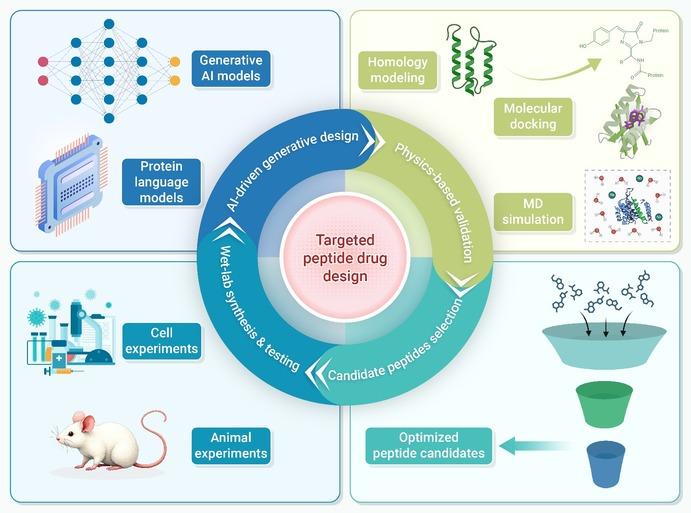
The outlook for peptide therapeutics remains exceptionally promising. Artificial intelligence, computational drug design, and advanced peptide engineering are accelerating the discovery of new therapeutic candidates. Biotechnology companies are investing heavily in peptide research to develop treatments for diseases that previously had limited therapeutic options.
Emerging technologies such as cyclic peptides, stapled peptides, and multifunctional peptide conjugates are expected to broaden the clinical impact of peptide medicines over the coming years.
Conclusion
From 2019 through 2026, clinically approved peptide therapeutics have demonstrated the growing potential of precision-targeted medicines. Continued scientific innovation, expanding regulatory approvals, and robust clinical research are positioning peptide drugs at the forefront of modern healthcare. As research advances, peptide therapeutics are expected to play an increasingly important role in improving patient care across numerous disease areas while shaping the future of pharmaceutical innovation.