
Is HGH 191AA a Peptide? Everything You Need to Know
By Store Admin · Jul 29, 2026
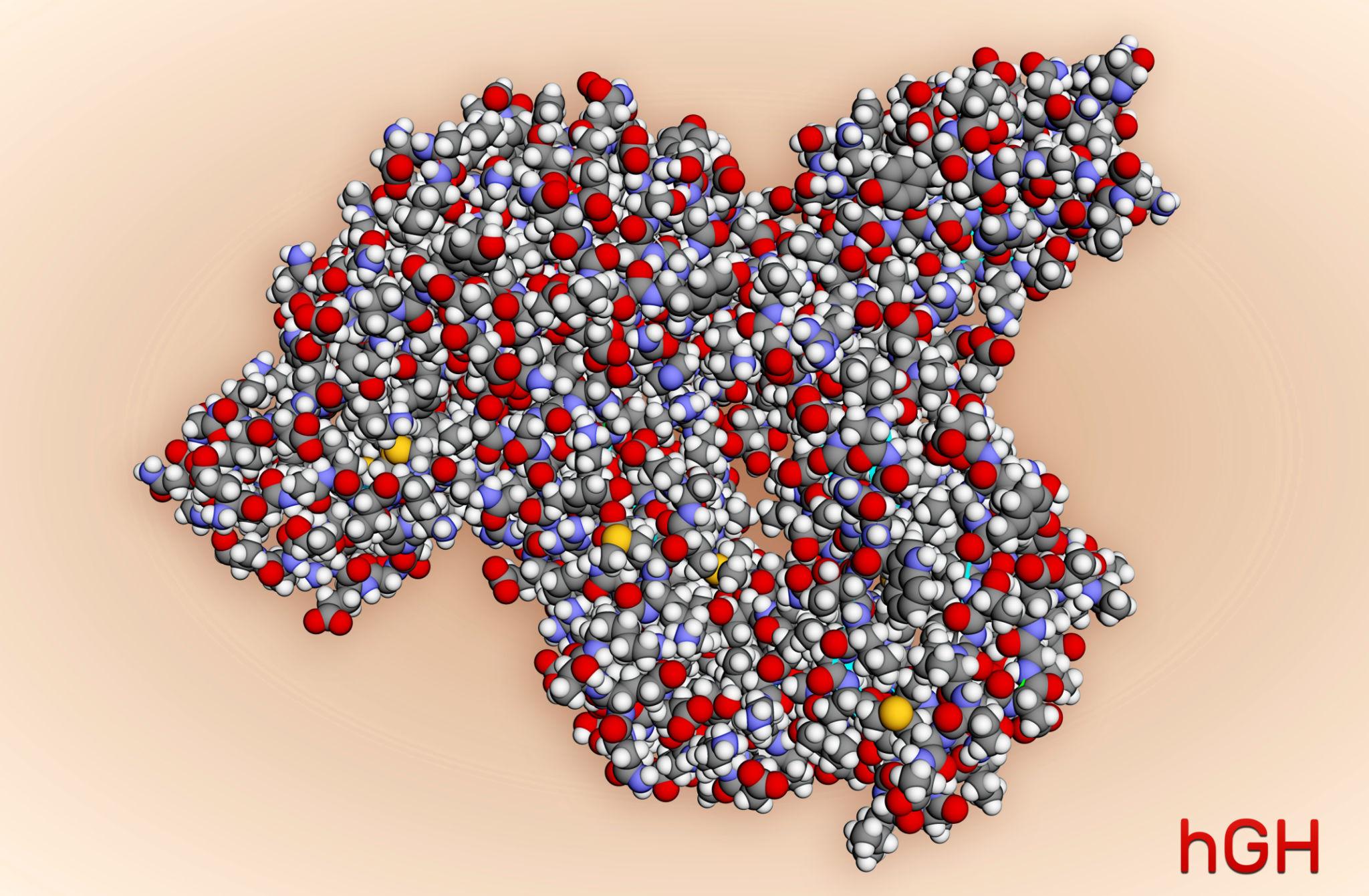
If you've been researching HGH 191AA, you've likely come across the question: "Is HGH 191AA a peptide?" The short answer is yes. HGH 191AA, also known as Human Growth Hormone 191 Amino Acids, is a protein peptide hormone that is identical in amino acid sequence to the naturally occurring human growth hormone produced by the pituitary gland.
In this guide, we'll explain what HGH 191AA is, how it works, its scientific significance, and why it has become an important molecule in biotechnology and medical research.
What Is HGH 191AA?
HGH 191AA refers to Human Growth Hormone consisting of 191 amino acids. It is produced using recombinant DNA technology, resulting in a molecule that matches the structure of naturally occurring human growth hormone (somatropin).
Because it is composed of a chain of 191 amino acids linked by peptide bonds, HGH 191AA is classified as a protein peptide hormone. In biochemistry, peptides are chains of amino acids, while longer chains are often referred to as proteins. Human growth hormone falls into this protein-peptide category due to its structure and biological function.
Is HGH 191AA a Peptide?
Yes. HGH 191AA is a peptide-based hormone made entirely from amino acids. More specifically, it is a 191-amino-acid protein connected through peptide bonds.
Its structure enables it to interact with growth hormone receptors throughout the body, helping regulate numerous biological processes. Although many people simply call it a "peptide," scientists generally describe HGH 191AA as a protein hormone because of its larger size.
How Does HGH 191AA Work?
Once administered under appropriate medical supervision for approved indications, HGH 191AA binds to growth hormone receptors on target cells. This stimulates the production of Insulin-like Growth Factor-1 (IGF-1), primarily in the liver.
Together, growth hormone and IGF-1 contribute to several important physiological functions, including:
- Supporting normal growth and development
- Promoting protein synthesis
- Assisting tissue repair
- Supporting bone health
- Influencing fat and carbohydrate metabolism
- Helping maintain healthy body composition
These natural biological processes explain why growth hormone has an important role in endocrinology.
Medical Uses of HGH 191AA
Healthcare professionals may prescribe recombinant human growth hormone for specific medical conditions where there is a confirmed growth hormone deficiency or another approved indication.
Examples include:
- Growth hormone deficiency in children
- Adult growth hormone deficiency
- Turner syndrome
- Certain growth disorders associated with chronic kidney disease
- Selected patients with Prader-Willi syndrome, when clinically appropriate
Treatment decisions should always be based on a thorough medical evaluation and ongoing monitoring by a qualified healthcare provider.
Why Is HGH 191AA Important in Biotechnology?
The development of recombinant HGH 191AA marked a major advance in biotechnology. Modern manufacturing methods allow scientists to produce highly purified human growth hormone without relying on older extraction methods.
This innovation has improved product consistency and availability for approved medical treatments while advancing research into hormone biology and endocrine disorders.
Is HGH 191AA Suitable for Everyone?
No. HGH 191AA is a prescription medication in many countries and should only be used when recommended by a qualified healthcare professional for an approved medical condition.
It is not intended for healthy individuals seeking athletic performance enhancement, bodybuilding, or anti-aging purposes. Using growth hormone without a medical indication may increase the risk of adverse effects and should be avoided.
Anyone considering growth hormone therapy should first undergo appropriate medical testing to determine whether treatment is clinically necessary.
Final Thoughts
So, is HGH 191AA a peptide? Yes. HGH 191AA is a 191-amino-acid protein peptide hormone that mirrors the structure of naturally produced human growth hormone. Thanks to recombinant DNA technology, it has become an essential therapeutic option for patients with certain medically diagnosed growth hormone disorders.
Understanding the science behind HGH 191AA helps separate evidence-based medical information from common misconceptions. If you have concerns about growth hormone deficiency or treatment options, consult a qualified healthcare professional who can provide personalized advice based on your medical history.
Recent Posts
- Ketamine Lotion Uses: What Patients Should Know About Topical Ketamine
- Is Ketamine Infusion Covered by Medicare Australia? A Complete Guide
- Ketamine HCl Powder: Medical Uses, How It Works, and Important Safety Information
- Clinically Approved Peptide Therapeutics (2019–2026): Innovations Transforming Modern Medicine