
Does Ketamine Show Up on a 14-Panel Drug Test?
By Store Admin · Jul 27, 2026
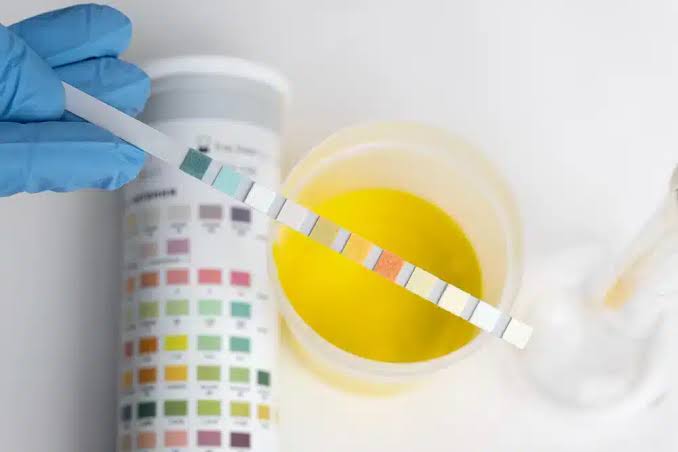
Ketamine use has become more common in both medical treatments and recreational settings, leading many people to ask: Does ketamine show up on a 14-panel drug test? The answer depends on the specific drug panel being used.
In this guide, we'll explain how 14-panel drug tests work, whether they detect ketamine, how long ketamine stays in your system, and what factors can influence test results.
What Is a 14-Panel Drug Test?
A 14-panel drug test is a comprehensive screening tool designed to detect multiple commonly misused drugs. While the exact substances included can vary by laboratory and manufacturer, a typical 14-panel drug test screens for:
- Marijuana (THC)
- Cocaine
- Amphetamines
- Methamphetamine
- Opiates
- Oxycodone
- Methadone
- PCP
- Benzodiazepines
- Barbiturates
- MDMA (Ecstasy)
- Propoxyphene (on some panels)
- Tricyclic antidepressants (on some panels)
- Buprenorphine or other specified drugs
Ketamine is not included on most standard 14-panel drug tests.
Does Ketamine Show Up on a Standard 14-Panel Drug Test?
In most cases, no. A standard 14-panel drug screen does not routinely test for ketamine because ketamine requires a specific assay to identify its presence.
Unless the employer, healthcare provider, legal authority, or testing organization specifically requests ketamine testing, it is unlikely to be detected during a routine multi-panel screening.
However, some expanded drug panels or specialty toxicology tests can include ketamine.
When Can Ketamine Be Detected?
Ketamine testing may be ordered in situations such as:
- Hospital emergency evaluations
- Suspected drug intoxication
- Forensic investigations
- Legal or probation-related testing
- Specialized workplace testing
- Substance use treatment programs
These tests are designed specifically to detect ketamine and its primary metabolite, norketamine.
How Long Does Ketamine Stay in Your System?
The amount of time ketamine remains detectable depends on the type of drug test used.
Typical detection windows include:
| Test TypeApproximate Detection Window | |
| Urine | 1–3 days (sometimes up to 7 days with heavy use) |
| Blood | Up to 24 hours |
| Saliva | Approximately 24–48 hours |
| Hair | Up to 90 days |
These detection windows are estimates and can vary from person to person.
Factors That Affect Ketamine Detection
Several factors influence how long ketamine can be detected, including:
Dosage
Higher doses generally remain detectable longer than smaller therapeutic doses.
Frequency of Use
Occasional users typically eliminate ketamine more quickly than individuals who use it frequently or chronically.
Metabolism
People with faster metabolisms often process and eliminate ketamine more rapidly.
Overall Health
Kidney function, liver health, age, hydration, and body composition can all affect how quickly ketamine leaves the body.
Can Ketamine Cause a False Positive?
False positives for ketamine on standard drug tests are uncommon because routine panels generally do not test for ketamine in the first place.
Likewise, ketamine does not usually trigger positive results for opioids, cocaine, marijuana, or amphetamines. If an initial screening result is unexpected, laboratories often perform confirmatory testing, such as gas chromatography-mass spectrometry (GC-MS) or liquid chromatography-tandem mass spectrometry (LC-MS/MS), to accurately identify the substance.
Medical Ketamine vs. Recreational Use
Ketamine is legally prescribed in certain medical settings for:
- General anesthesia
- Pain management
- Treatment-resistant depression
- Certain mental health conditions
If you are prescribed ketamine as part of your medical care, inform the testing authority when appropriate and follow any instructions about disclosing prescription medications. A legitimate prescription does not necessarily change what a test detects, but it can provide important context during the review process.
Key Takeaways
So, does ketamine show up on a 14-panel drug test? Usually, no. Most standard 14-panel drug tests are not designed to detect ketamine because it is not part of the routine screening panel.
However, ketamine can be detected if a laboratory performs a specific ketamine test or uses an expanded toxicology panel. In urine, ketamine is typically detectable for 1 to 3 days, while hair testing may identify prior use for up to 90 days.
If you are unsure which substances a particular drug test screens for, the most reliable approach is to check with the testing provider or laboratory, as drug panel contents can vary by organization and manufacturer.
Recent Posts
- Ketamine Lotion Uses: What Patients Should Know About Topical Ketamine
- Is Ketamine Infusion Covered by Medicare Australia? A Complete Guide
- Ketamine HCl Powder: Medical Uses, How It Works, and Important Safety Information
- Clinically Approved Peptide Therapeutics (2019–2026): Innovations Transforming Modern Medicine